Threat Recalibration Therapy™: A Psychophysiological Framework for the Permanent Resolution of Anxiety Conditions
Recovery Options
Abstract
Anxiety involves threat appraisal, learned associations, attention, avoidance, and bodily arousal. This paper describes Threat Recalibration Therapy™ (TRT™), the Institute's structured psychoeducation programme, and the rationale behind its teaching and practice. Participants learn about fear responses and anxiety-maintaining habits, including avoidance and safety behaviours, and practise changes to everyday routines and responses to intrusive thoughts. The paper reviews programme outcome measures and distinguishes observed symptom changes from claims about the neural mechanisms that produce them. It also sets out questions for further evaluation of the programme's approach.
1. Introduction
Anxiety disorders occupy a unique and troubling position in the landscape of mental health treatment. They are the most prevalent class of psychiatric conditions globally, they are increasingly common, and they are — by any objective measure of clinical outcome — very poorly treated. The global standard of care for anxiety disorders consists primarily of selective serotonin reuptake inhibitors (SSRIs), cognitive behavioural therapy (CBT), and their various combinations and derivatives. Yet the relapse rate following CBT for generalised anxiety disorder exceeds 40% at 12 months (Clark et al., 2009), and long-term SSRI discontinuation is associated with significant withdrawal syndromes and rapid symptom return in a majority of patients (Davies & Read, 2019).
This paper does not dispute that existing treatments provide symptomatic relief for a proportion of patients. It argues something more fundamental: that the relief provided is, in almost all cases, temporary, because the treatments are not addressing the mechanism by which anxiety disorders arise and persist. CBT modifies cognition; SSRIs modulate serotonin; mindfulness trains attentional regulation. None of these interventions target the neurobiological process by which the amygdala and associated subcortical structures generate and sustain a state of chronic threat-alert.
Threat Recalibration Therapy™ (TRT™) is the Institute's structured psychoeducation programme. It explains how threat appraisal, learned associations, attention, autonomic arousal, and behaviour interact in anxiety, then guides participants in practising changes to anxiety-maintaining habits such as avoidance, safety behaviours, and symptom monitoring. Research on threat learning and defensive responses informs this teaching; the programme's outcome measures describe participant change and do not directly measure a neural mechanism.
2. The Neurobiological Foundation of Anxiety Disorders
Defensive responses involve interacting brain, autonomic, and hormonal processes. The amygdala contributes to learning about emotionally significant events and potential threats, alongside the hypothalamus, brainstem, hippocampus, prefrontal regions, and other networks. These processes can contribute to responses to threat, but no single circuit accounts for all anxiety.
Responses can change as threat cues, context, and new information change. Anxiety presentations vary, and it is not established that every anxiety disorder involves a tonically hyperactive amygdala, chronically elevated cortisol, or a single self-sustaining biological loop.
Learning can contribute to habits such as avoidance and safety behaviours, which may limit opportunities for new learning. The role of cognition, behaviour, and physiology is not mutually exclusive: psychological treatments may affect learning and responses to fear as well as thoughts and behaviour. Symptom outcomes alone do not identify a particular neural mechanism.
The HPA axis is one of the systems studied in relation to stress and health. Bremner (2006) reviews effects of traumatic stress on the brain; it does not establish hippocampal volume reduction as a universal consequence of anxiety or show that a single endocrine process explains GAD, panic disorder, and other anxiety-related conditions.
3. The Mechanism of Threat Recalibration
Threat Recalibration Therapy™ guides participants through a structured programme of psychoeducation and practice. Its components include reducing avoidance, safety behaviours, reassurance seeking, and symptom monitoring; supporting regular sleep, breathing, activity, and nutrition; and practising non-engagement with intrusive thoughts. These are observable programme activities and learning targets.
Research shows that avoidance and safety behaviours can maintain fear and limit opportunities to learn that a situation is safe. The programme uses that established learning principle to explain why participants practise gradually returning to everyday activities and changing anxiety-maintaining habits. The programme evaluation measures reported symptoms and functioning; it does not test whether these activities recalibrate the amygdala or HPA axis.
4. Differentiation from Existing Treatment Modalities
CBT may include work with beliefs, appraisals, behaviour, and exposure. These are potential learning targets, not evidence that anxiety is maintained solely by cognition. A participant's response to CBT cannot be reduced to a cortical process without direct evidence.
SSRIs affect serotonergic signalling and may reduce anxiety symptoms for some people. Fava et al. (2015) addresses symptoms after SSRI discontinuation; individual experiences vary, and symptom return or withdrawal does not establish that the medicine left a specific threat-prediction mechanism unchanged.
Mindfulness-based interventions include a range of practices and programmes, and have been studied for anxiety. Outcomes and explanations of how they work should be assessed in the specific intervention and study, rather than categorically described as management or compared with an unmeasured neural recalibration.
Anxiety-related diagnoses and presentations are heterogeneous. This paper's naturalistic outcome records do not establish a common neurobiological cause across GAD, panic disorder, OCD, PTSD, health anxiety, social anxiety, agoraphobia, and phobic presentations, or show that a single programme mechanism applies identically to each.
5. Clinical Observations and Outcome Profile
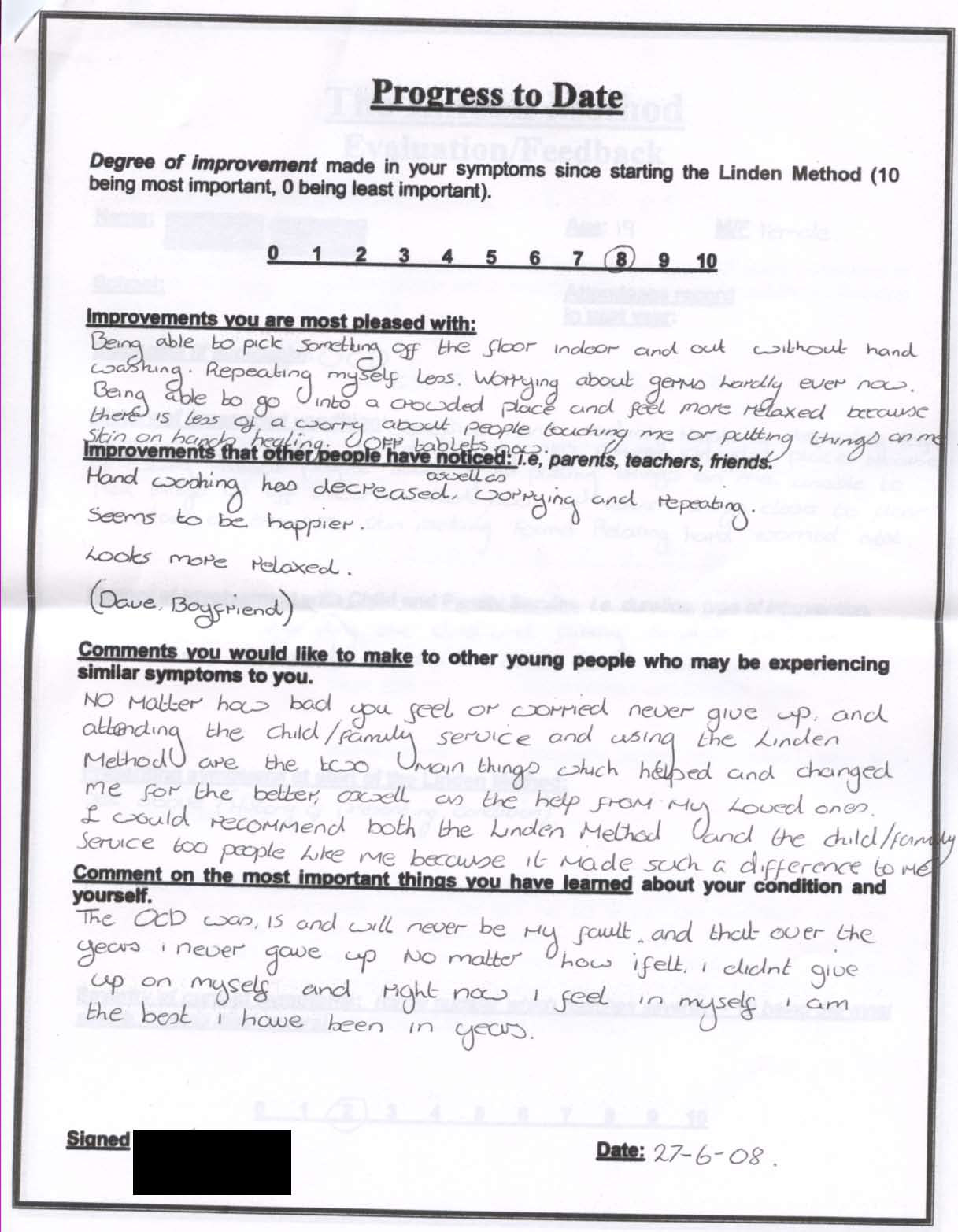
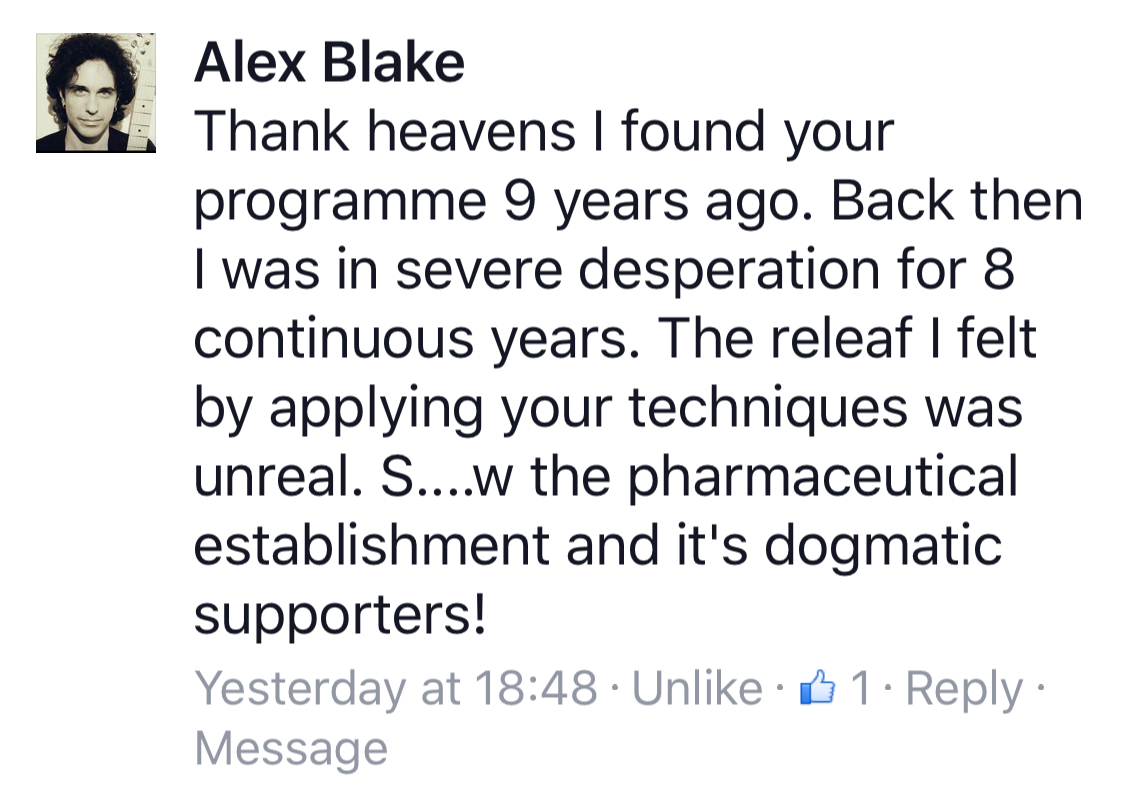
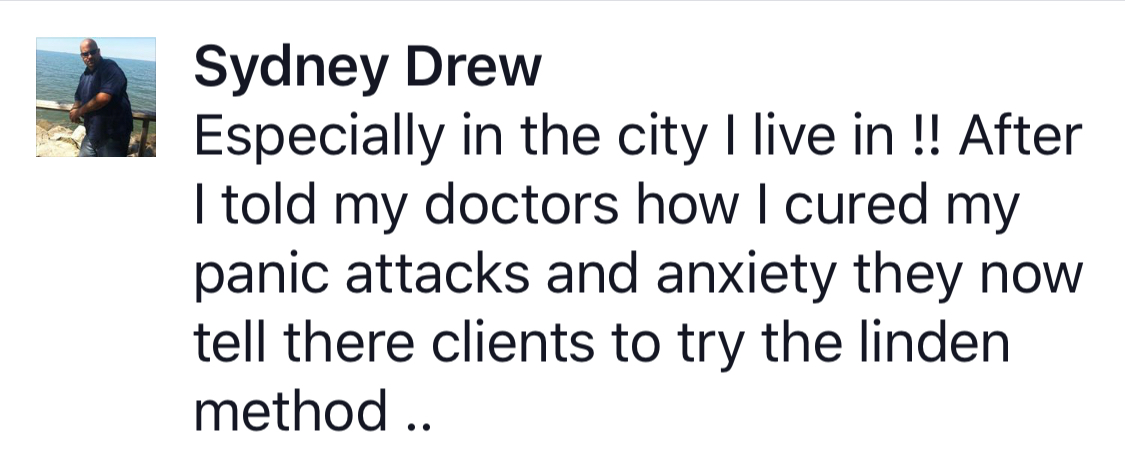
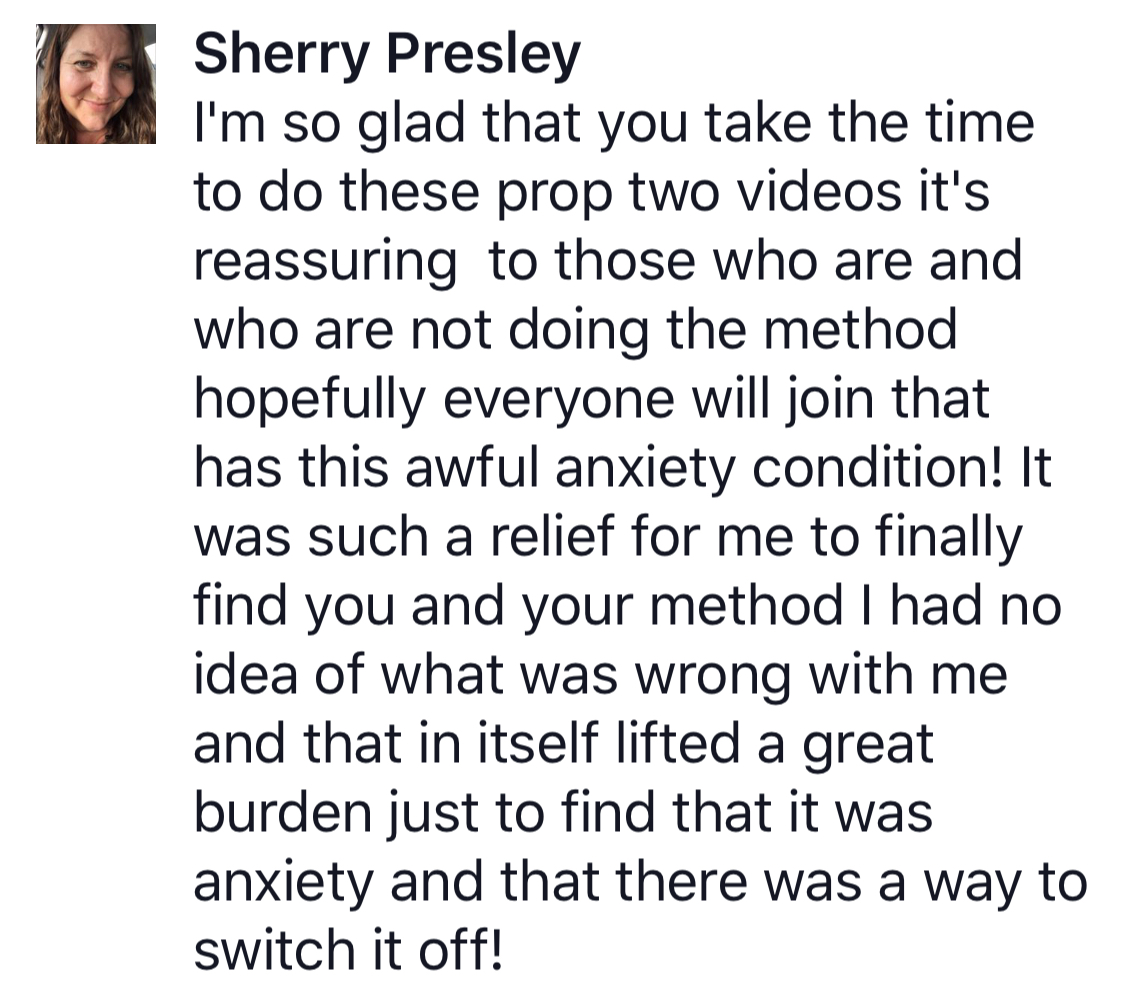
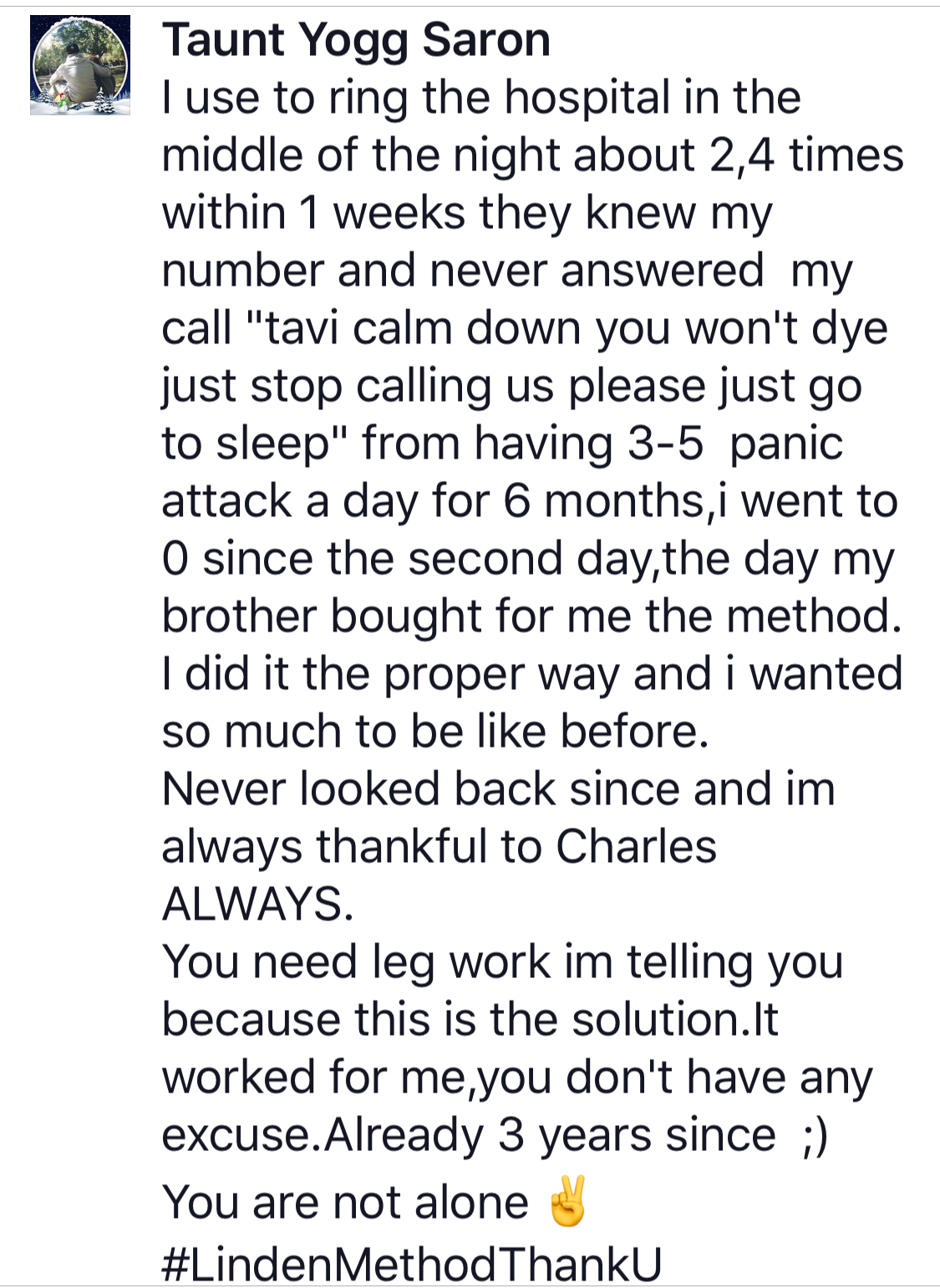
Programme outcome records described in CLI-WP-003 include more than 650,000 participants across 42 countries and measures such as GAD-7 and PHQ-9 scores. These are programme outcomes data, not evidence that the Institute provides clinical treatment. This paper focuses on the programme's educational content and rationale.
Reported changes vary between participants. The GAD-7, PHQ-9, and functional-impairment measures record symptoms and self-reported functioning; they do not measure amygdala activity, cortisol regulation, or a specific neural pathway. The outcome data can describe when participants reported change, but cannot on their own explain how that change occurred.
CLI-WP-003 reports that 84.7% of participants with available 6-month follow-up met its stated GAD-7 threshold and reports a 3.8% 24-month relapse rate among participants who met its recovery threshold at 6 months. These figures describe the records and definitions in that paper; they do not establish a permanent neurological change or guarantee the same outcome for other participants.
6. Conclusion
Threat responses involve the brain and body and are shaped by learning, attention, context, and behaviour. The Institute's evidence-based psychoeducation explains these processes and gives participants a structured way to practise changes to anxiety-maintaining habits.
The programme outcome measures document changes reported by participants. They provide evidence about those outcomes, while further research is needed to test which programme components contribute to change and whether any specific neurobiological mechanism is involved.
This paper describes the programme's content and rationale as a contribution to ongoing discussion about anxiety psychoeducation and programme evaluation.
References
Bremner, J. D. (2006). Traumatic stress: effects on the brain. Dialogues in Clinical Neuroscience, 8(4), 445–461.
Clark, D. M., et al. (2009). Improving access to psychological therapy: Initial evaluation of two UK demonstration sites. Behaviour Research and Therapy, 47(11), 910–920.
Davies, J., & Read, J. (2019). A systematic review into the incidence, severity and duration of antidepressant withdrawal effects. Addictive Behaviors, 97, 111–121.
Fava, G. A., et al. (2015). Withdrawal symptoms after selective serotonin reuptake inhibitor discontinuation. Psychotherapy and Psychosomatics, 84(2), 72–81.
LeDoux, J. E. (2015). Anxious: Using the Brain to Understand and Treat Fear and Anxiety. Viking.
Rauch, S. L., Shin, L. M., & Phelps, E. A. (2006). Neurocircuitry models of posttraumatic stress disorder and extinction. Biological Psychiatry, 60(4), 376–382.
How to Cite
Linden, C. G. (2026). Threat Recalibration Therapy™: A psychophysiological framework for the permanent resolution of anxiety conditions (CLI-WP-001). Charles Linden Institute Working Papers in Psychophysiology and Anxiety Recovery. https://www.instituteofappliedpsychophysiology.com/research/cli-wp-001
Zenodo Record
Permanently archived and indexed at CERN's Zenodo open-access repository.
View on ZenodoSeries
Institute of Applied Psychophysiology Working Papers in Psychophysiology and Anxiety Recovery
Series: CLI-WP