The Comorbidity Fallacy: How the DSM, Psychiatric Practice, and Pharmaceutical Incentives Have Systematically Misclassified, Overmedicated, and Harmed Millions of Anxiety Sufferers
Recovery Options
Abstract
This working paper questions how co-occurring diagnoses and symptoms are interpreted in anxiety care and advances a hypothesis that some apparent comorbidity may reflect overlapping experiences or shared stress-related processes. It discusses diagnostic systems, prescribing, and the Institute's naturalistic programme outcomes. The paper's proposed single-process account, including its emphasis on HPA-axis activity, is a hypothesis rather than an established explanation for co-occurring conditions. GAD-7 and PHQ-9 scores describe self-reported symptoms and do not by themselves establish diagnoses, causation, or that one condition resolves another. The paper identifies questions for further evaluation and does not provide clinical advice.
1. The Comorbidity Assumption
People seeking care for anxiety may also report low mood, sleep disturbance, fatigue, concentration difficulties, panic, or intrusive thoughts. Clinicians assess these experiences in context and may identify more than one condition where diagnostic criteria are met. Symptom overlap does not, by itself, establish either a shared cause or separate causes.
The term comorbidity describes the co-occurrence of conditions; it does not require that they have completely independent causes or that each receive a separate medication. Prescribing decisions depend on clinical assessment, benefits, risks, and patient preference. Multiple medicines can carry risks, including interactions and additive side effects, and should be reviewed with the prescriber.
This paper proposes that some co-occurring symptoms may reflect shared stress-related processes. Its account of chronic HPA-axis activation as a single cause for multiple diagnoses remains a hypothesis and is not established by symptom overlap alone.
2. The Psychophysiology of Apparent Comorbidity
Stress-related processes, including HPA-axis activity, are studied in relation to health, mood, sleep, and attention. Findings vary, and anxiety diagnoses do not establish that a person has chronic amygdala hyperactivation, elevated cortisol, hippocampal volume change, or a common physiological cause for co-occurring symptoms.
Sleep disturbance, fatigue, concentration difficulty, and low mood can occur in more than one condition and have multiple possible contributors. Their overlap can inform assessment but does not make the symptoms direct products of one hormone or show that the diagnoses are invalid.
Diagnostic criteria organise reported patterns of symptoms and impairment; they do not claim that each diagnosis has a wholly separate biological cause. Whether an individual meets criteria for one or more conditions is a clinical question, not a conclusion that can be drawn from a proposed shared mechanism.
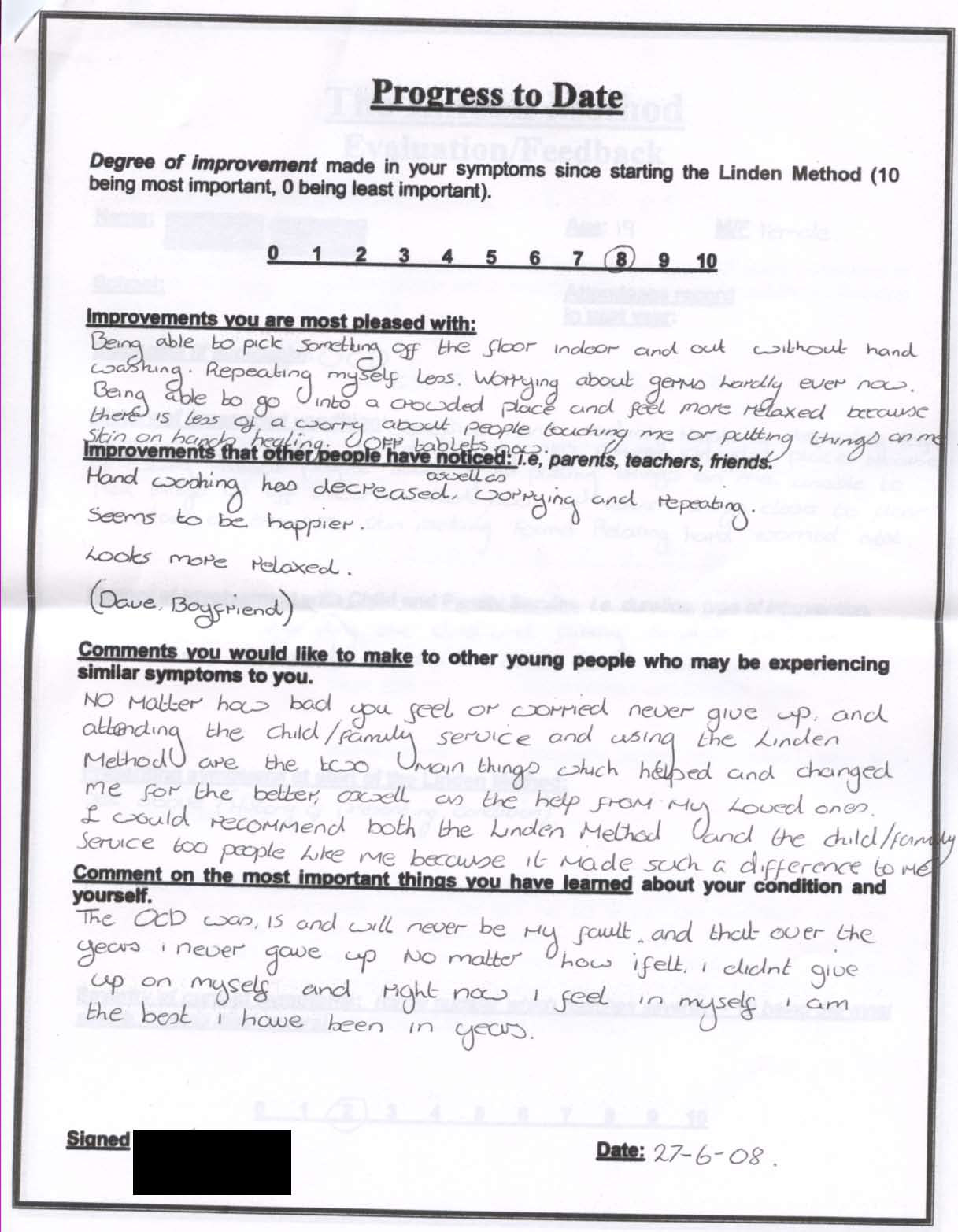
This paper reports that 87.3% of a subgroup with baseline GAD-7 and PHQ-9 scores met its PHQ-9 normalisation threshold at six-month follow-up without depression-specific programme content. The denominator and analysis are not detailed here, and the subgroup result is not reported in CLI-WP-003. These self-report thresholds are not diagnoses of GAD or major depressive disorder; co-occurring score change does not establish that anxiety caused depressive symptoms or that resolving one condition resolved another.
3. Institutional Origins of the Comorbidity Fallacy
DSM-III adopted operational diagnostic criteria in part to improve consistency. Symptom-based criteria support communication and research but do not identify aetiology; their limitations are a subject of ongoing discussion.
Different diagnoses can describe distinct symptom patterns while sharing some contributors. Diagnostic categories are not direct maps of mechanisms, and this paper's proposed common HPA-axis process is not established by the fact that categories use symptom criteria.
Cosgrove et al. (2006) examined financial ties between DSM-IV panel members and the pharmaceutical industry, and Angell (2004) critiques the influence of pharmaceutical companies. These sources warrant attention to conflicts of interest; they do not demonstrate that comorbidity diagnoses as a class were created to increase prescriptions or that any particular clinician's decision was commercially motivated.
This paper argues that some anxiety presentations may be better understood by considering shared contributors alongside co-occurring diagnoses. That argument is not evidence that comorbidity frameworks are generally harmful or that a single mechanism should replace individual assessment.
4. The Harm of Misclassification
Using multiple medicines can increase the possibility of interactions or additive side effects. The benefits and risks depend on the medicines, dose, health history, and combination; any concern about polypharmacy should be reviewed with the prescriber rather than attributed to an assumed diagnostic error.
Treatment outcomes and symptom course vary. This paper's HPA-axis explanation has not been shown to be the primary cause of chronicity across anxiety presentations, and treatment response cannot be inferred from a model of amygdala activity.
Some medications can cause side effects, and benzodiazepine use can involve tolerance, dependence, or withdrawal. Emotional blunting has also been reported with some antidepressants. These experiences need individual clinical assessment; they do not establish that clinicians systematically misclassify adverse effects as other conditions.
5. Resolution: The Case for Primary Disorder Identification
Assessment should consider co-occurring symptoms, their timing, impact, possible causes, and the person's priorities. A proposed mechanism may prompt a research question, but it should not replace diagnostic assessment or lead to withdrawal of indicated care.
In anxiety presentations with low mood, sleep disturbance, fatigue, or anhedonia, clinicians consider the full history and criteria for each condition. Symptom timing alone does not show that one presentation is a consequence of another or identify a shared physiological cause.
Naturalistic GAD-7 and PHQ-9 outcomes can describe reported changes over time. They do not establish whether one condition caused another, whether diagnoses were valid, or whether a single programme mechanism produced the change.
6. Conclusion
Co-occurring symptoms and diagnoses warrant careful assessment. This paper's claim that many apparent comorbidities share one HPA-axis cause is a hypothesis and is not established by the naturalistic symptom data presented here.
Diagnostic categories organise information about symptoms and impairment but do not, by themselves, determine aetiology. Research can test whether anxiety-related stress processes explain particular co-occurring symptoms while maintaining individual assessment and appropriate care.
Further research should define the relevant populations, establish diagnoses using appropriate methods, assess possible causes and treatments, and test proposed mechanisms with direct measures.
References
Angell, M. (2004). The Truth About the Drug Companies. Random House.
Cosgrove, L., Krimsky, S., Vijayaraghavan, M., & Schneider, L. (2006). Financial ties between DSM-IV panel members and the pharmaceutical industry. Psychotherapy and Psychosomatics, 75(3), 154–160.
Kessler, R. C., et al. (2005). Lifetime prevalence and age-of-onset distributions of DSM-IV disorders in the National Comorbidity Survey Replication. Archives of General Psychiatry, 62(6), 593–602.
McEwen, B. S. (2008). Central effects of stress hormones in health and disease: Understanding the protective and damaging effects of stress and stress mediators. European Journal of Pharmacology, 583(2–3), 174–185.
Tsigos, C., & Chrousos, G. P. (2002). Hypothalamic-pituitary-adrenal axis, neuroendocrine factors and stress. Journal of Psychosomatic Research, 53(4), 865–871.
Zimmerman, M., & Chelminski, I. (2003). Generalized anxiety disorder in patients with major depression: Is DSM-IV's hierarchy correct? American Journal of Psychiatry, 160(3), 504–512.
How to Cite
Linden, C. G. (2026). The comorbidity fallacy: How the DSM, psychiatric practice, and pharmaceutical incentives have systematically misclassified, overmedicated, and harmed millions of anxiety sufferers (CLI-WP-005). Charles Linden Institute Working Papers in Psychophysiology and Anxiety Recovery. https://doi.org/10.5281/zenodo.21240285
Zenodo Record
Permanently archived and indexed at CERN's Zenodo open-access repository.
View on ZenodoSeries
Institute of Applied Psychophysiology Working Papers in Psychophysiology and Anxiety Recovery
Series: CLI-WP