Resource for patients and services
NHS Talking Therapies, formerly IAPT: the case for IOAP
NHS Talking Therapies for anxiety and depression was formerly known as Improving Access to Psychological Therapies (IAPT). It is an England-wide programme delivering NICE-recommended psychological therapies, and it has opened the door to treatment for very large numbers of people.
Patients need more than access to an appointment: they need a clear understanding of persistent anxiety and a practical route to rebuilding everyday life. NHS services need support that extends beyond appointment time. The Institute of Applied Psychophysiology (IOAP) brings more than 30 years of fear-response research and programme experience to that need through TRT™ (Threat Recalibration Therapy™).
The scale of the service
Figures from the NHS England annual report for 1 April 2025 to 31 March 2026 (published 24 September 2026).
- 1.81 million
- referrals received, 1 April 2025 to 31 March 2026
- 1.17 million
- referrals that accessed treatment in the same year
- 674,683
- referrals that completed treatment in the same year
- 50.1%
- of eligible referrals completing treatment moved to recovery
- 89.1%
- of referrals completing treatment started within 6 weeks of referral
The report's recovery and waiting-time measures are based on referrals completing a course of treatment. The activity counts describe different groups and cannot be subtracted to calculate unmet need. “Moved to recovery” is the NHS outcome measure, not a measure of permanent cure; people outside that category may still have improved. The report also flags provider-level data-quality issues for presenting complaint and gender.
Why patients need a practical recovery programme
Fear-learning science explains how experience and context can shape threat responses, and how avoidance can keep learned fear active after the original circumstances have changed. TRT™ turns this science into structured psychoeducation and behavioural guidance: understanding the fear response, recognising the patterns that sustain it, and putting recovery practices into daily life.
Anxiety affects work, relationships, sleep, travel and ordinary decisions—not just the hour spent in an appointment. IOAP's programme gives participants a consistent roadmap for that everyday work, with programme resources and access to anxiety coaching. This is the contribution we offer alongside appropriate clinical care: practical learning and recovery activity that continue outside the consulting room.
Why NHS services need a practical recovery partner
The national figures show both the reach of NHS Talking Therapies and the continuing need to support people whose anxiety remains disruptive. Services need ways to sustain participant engagement, extend useful education beyond appointment time and understand what happens after a course ends.
IOAP offers structured psychoeducation, practitioner education and online programme delivery for discussion with service leaders and commissioners. An agreed partnership could give patients consistent resources between appointments and after discharge, while practitioners retain responsibility for clinical decisions and safeguarding.
For an NHS service, the next step is a clearly scoped, measured collaboration: define the population, agree the referral boundaries, establish participant consent and information governance, and assess anxiety symptoms, daily functioning and engagement over time. Any capacity or cost benefits should be measured in that service, not assumed.
What IOAP offers
- Practical fear-response education for use between appointments, through TRT™ (Threat Recalibration Therapy™).
- Structured participant guidance that sets out what to do and in what order.
- Practitioner education in fear-response science and delivery of TRT™ psychoeducation.
- Collaboration with services and commissioners, with outcomes measures and safeguarding agreed through the service's own clinical governance.
IOAP is an independent psychoeducation organisation, not an NHS service. These are opportunities for collaboration, not an existing commissioned NHS pathway or a claim that NICE recommends TRT™.
The experience and evidence behind IOAP
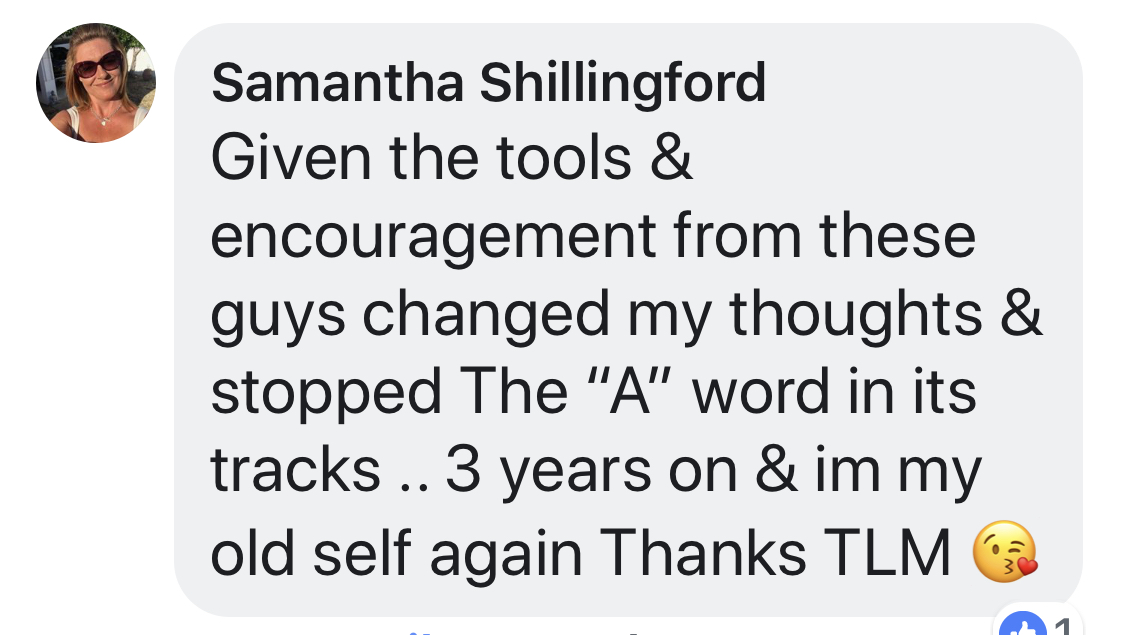
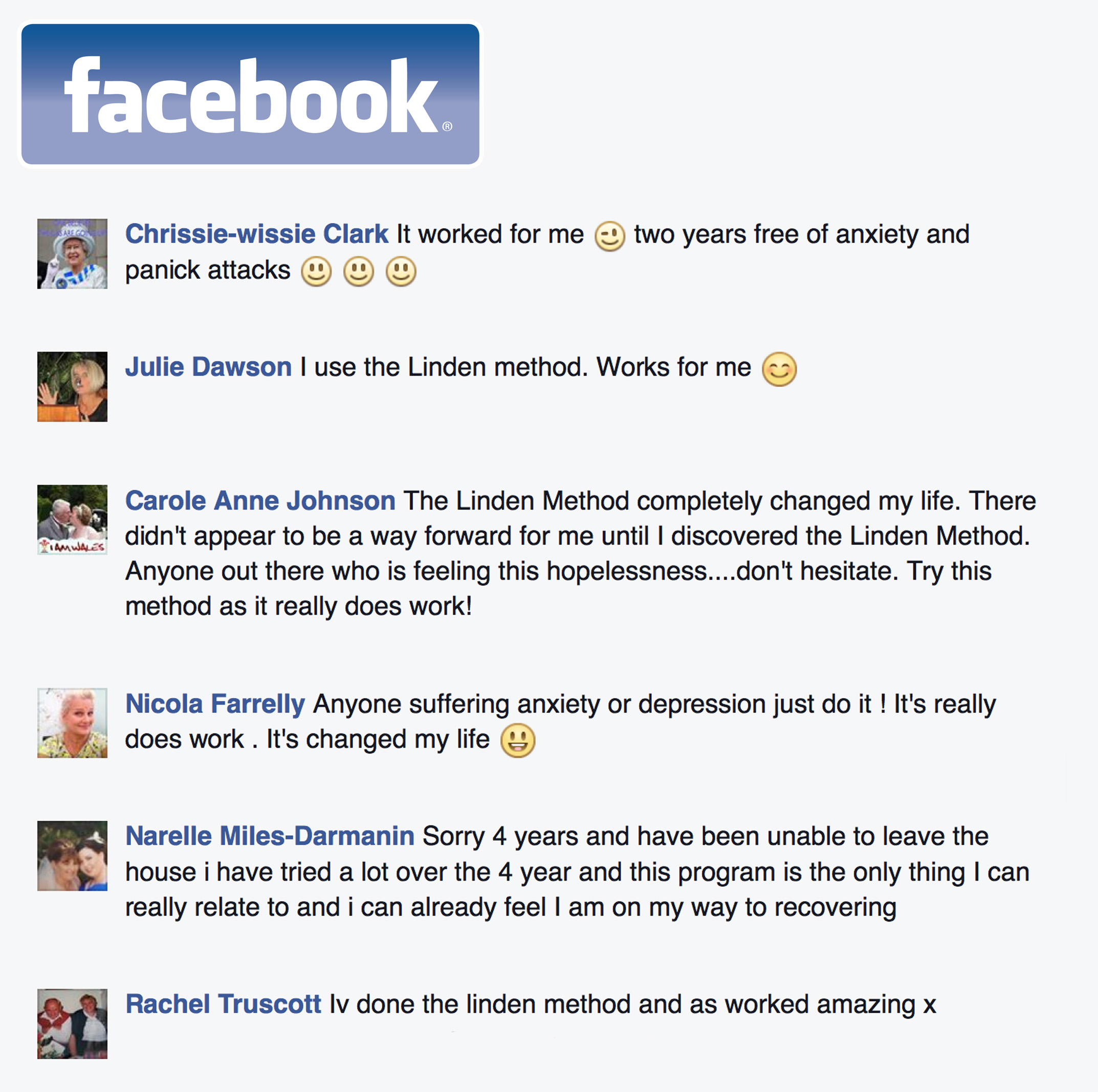
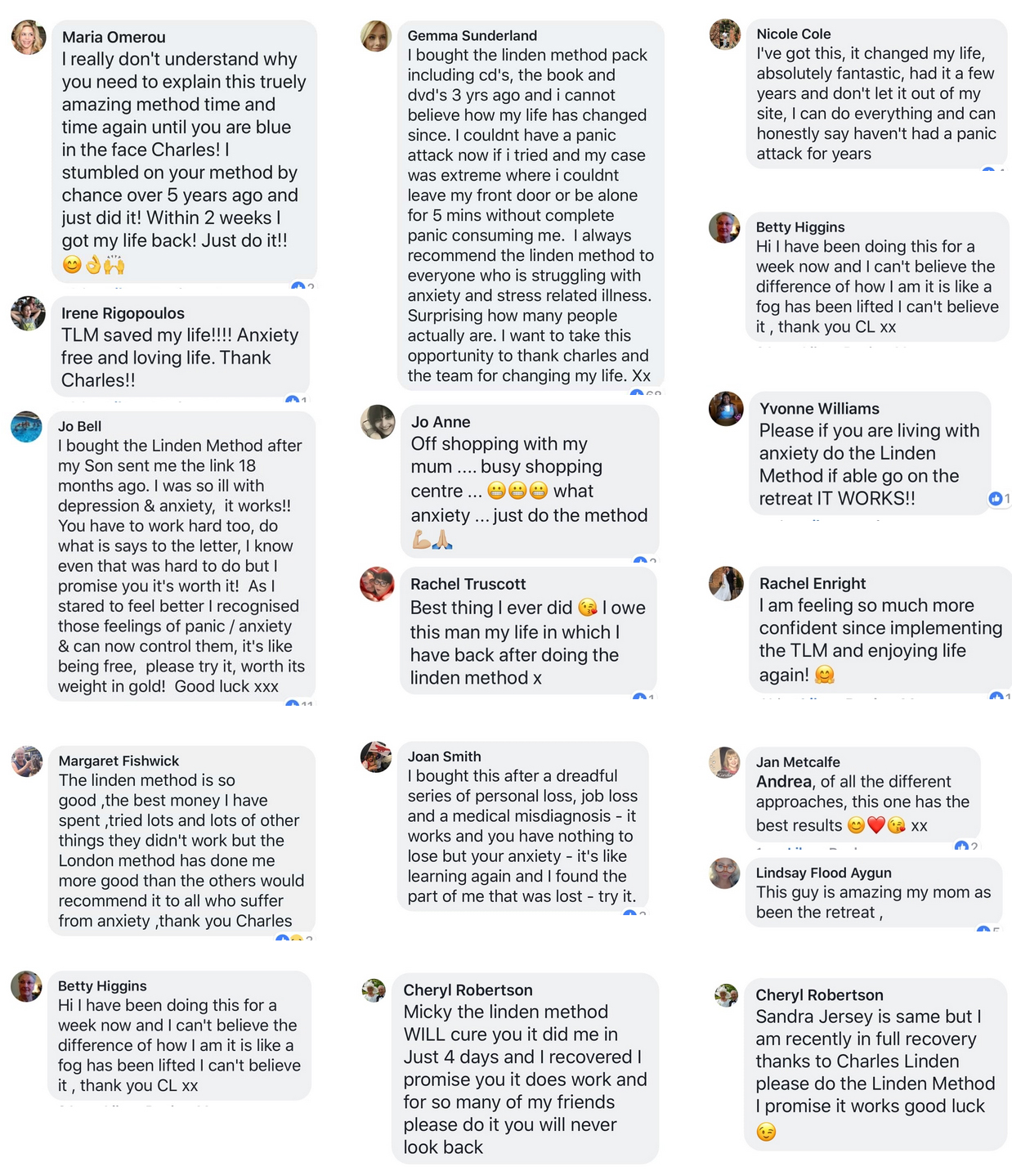
The Institute reports more than 30 years of programme work and experience across 700,000+ cases worldwide, including hundreds of thousands of complete recoveries in practice.
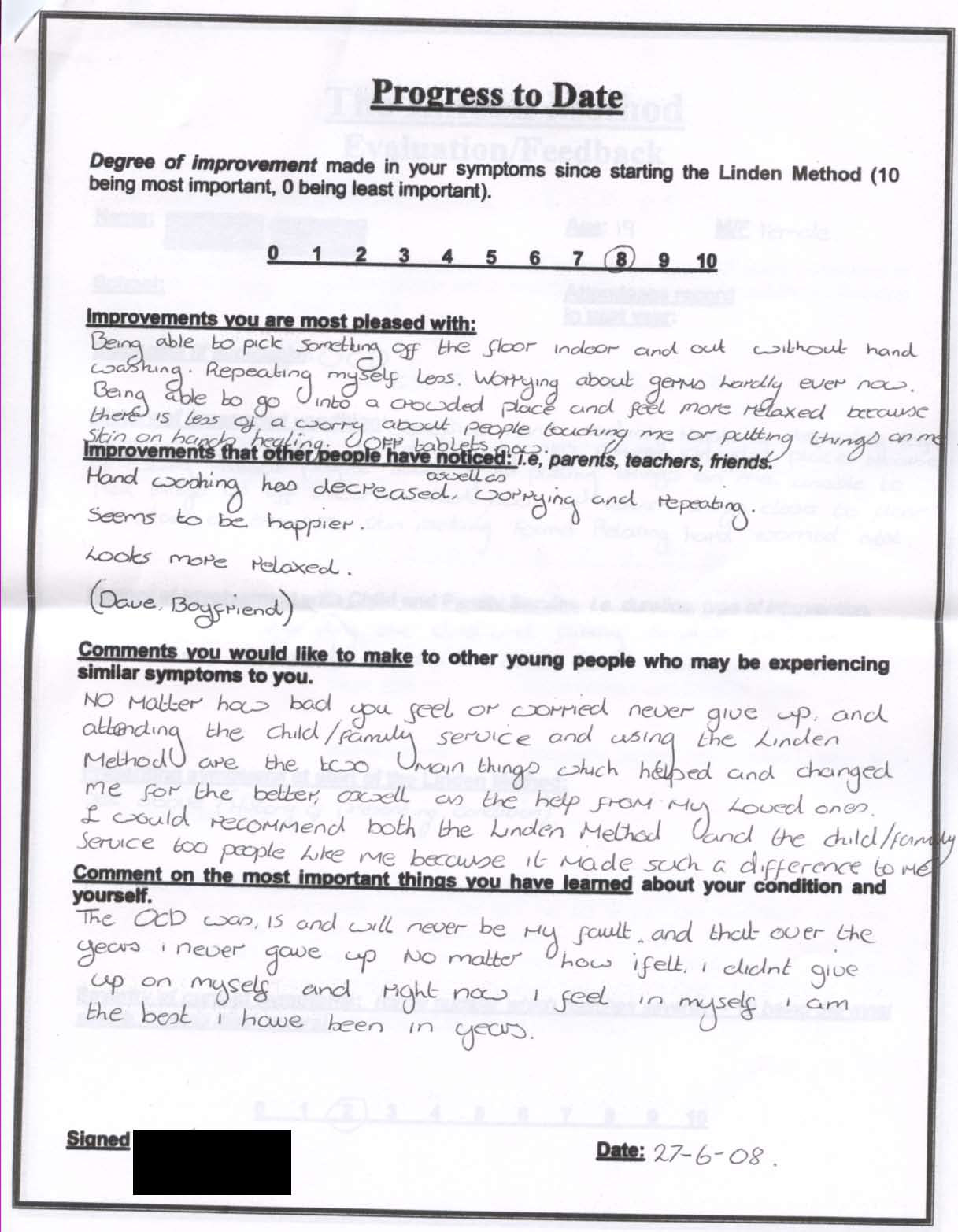
An outcomes evaluation commissioned by NHS Shropshire followed 61 participants. Mean GAD-7 score moved from 18.28 to 2.84, an 84.5% reduction in the cohort's mean score. The evaluation record lists researcher Martin Jensen with Kingston University / University of Copenhagen; this identifies researcher affiliation, not institutional endorsement.
The cumulative programme record, the 61-person evaluation and the national NHS report describe different populations and measures. An 84.5% change in a mean GAD-7 score is not an 84.5% recovery rate and is not a like-for-like comparison with the NHS's 50.1% recovery figure. Read the Institute's research and programme evidence.
Where to go next
If you are a patient
In England, adults (18+, and 16 or 17 in some areas) can self-refer to NHS Talking Therapies without a diagnosis. Keep any clinical care you have; IOAP resources are designed to sit alongside it, not replace it. If you need urgent help, use the NHS urgent mental health page or call emergency services.
If you lead a service
Review the programme evidence and discuss an IOAP collaboration for your patients, workforce or local service. We can explore programme access, practitioner education and a service-specific evaluation with agreed governance.
Sources
- NHS England: NHS Talking Therapies for anxiety and depression (formerly IAPT)Programme overview
- NHS England: What's in a name? The new name for IAPT servicesRename explanation
- NHS England: NHS Talking Therapies for anxiety and depression annual report, 2025-26Published 24 September 2026. Covers 1 April 2025 to 31 March 2026. The report states that the counts do not describe the same cohorts.
- NHS.uk: Find an NHS talking therapies serviceSelf-referral, England
- NHS.uk: Where to get urgent help for mental healthUrgent help